

Compliance as a Byproduct, in One Answer
Compliance as a byproduct means running a real-time cyber risk program and letting compliance follow, rather than running compliance as its own workstream. If the end goal is checking a framework box, several other facets of governance, risk, and compliance will go unmanaged. Compliance proves you met a set of controls at a point in time. Strong risk management keeps those controls effective every day. When you manage the risk, the evidence generates itself, and the audit becomes a report you pull rather than a project you staff.
That isn't an argument against compliance. It's an argument about strategy.
Compliance vs. Security: What's the Difference?
Compliance is an attestation. It says that on a given date, against a given framework, these controls were in place and operating. It's a snapshot, evaluated against an external standard.
Security is a continuous state. It asks whether you are reducing the likelihood and impact of events that could hurt the business today, rather than on the audit date. The two overlap, which is why they're easy to conflate. Good security produces most of what an audit looks for. But they are different measurements, and they can diverge.
|
Compliance |
Security |
|
|---|---|---|
|
Measures |
Controls met against a standard |
Risk actually reduced |
|
Timeframe |
Point in time |
Continuous |
|
Evaluated against |
A framework |
The threat environment and the business |
|
Question it answers |
Did we meet the requirements? |
How exposed are we right now? |
How Can an Organization Be Compliant But Not Secure?
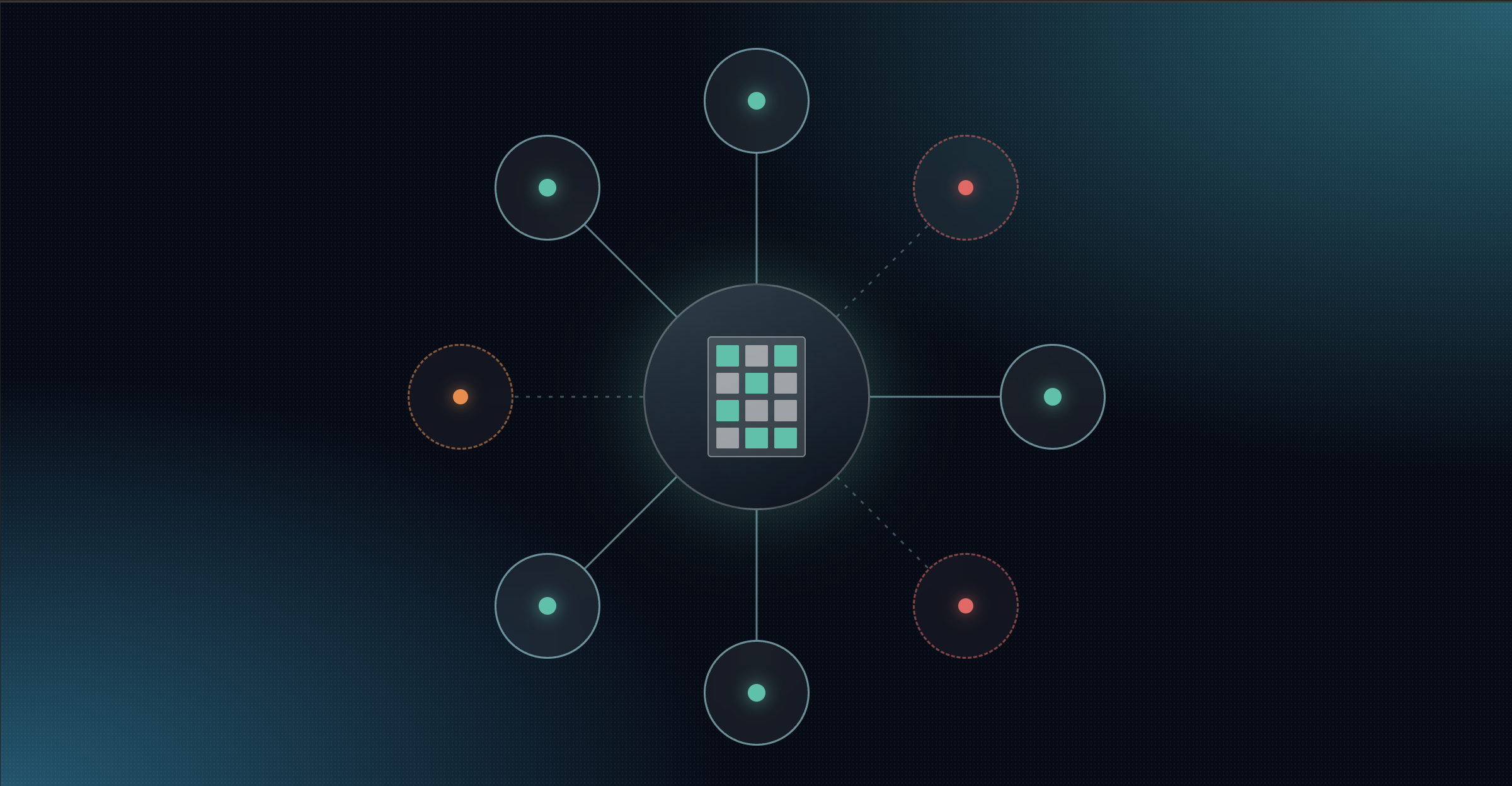
Easily. A control passes on the audit date and drifts the following week; the certificate says compliant while the environment says exposed. Evidence is collected once and goes stale as systems change. A framework's scope covers a defined boundary, and the exposure that matters sits just outside it. A high-severity vulnerability lands on a business-critical system, but the control it maps to was marked satisfied months ago.
None of these are unusual. They are the ordinary gap between a snapshot and a moving picture. Compliance captures the snapshot. Risk lives in the motion between snapshots.
Why Checkbox Compliance Persists
Most cybersecurity compliance programs were built to satisfy auditors, not to manage risk, and those goals carry different incentives. When the objective is passing the audit, the work optimizes for producing evidence before a deadline rather than continuously reducing exposure. Teams assemble evidence by hand from spreadsheets and exports. Compliance runs as a separate workstream, staffed and scheduled apart from the security team closing findings.
The result is a program that can succeed entirely on its own terms, with a clean audit and a certificate on the wall, while the organization's real exposure goes unaddressed. Compliance does not mean security. It never did.
What It Means to Make Compliance a Byproduct
Flip the order. Instead of running a compliance program to satisfy auditors, run a real-time risk program to manage actual exposure, and collect compliance as a downstream output.
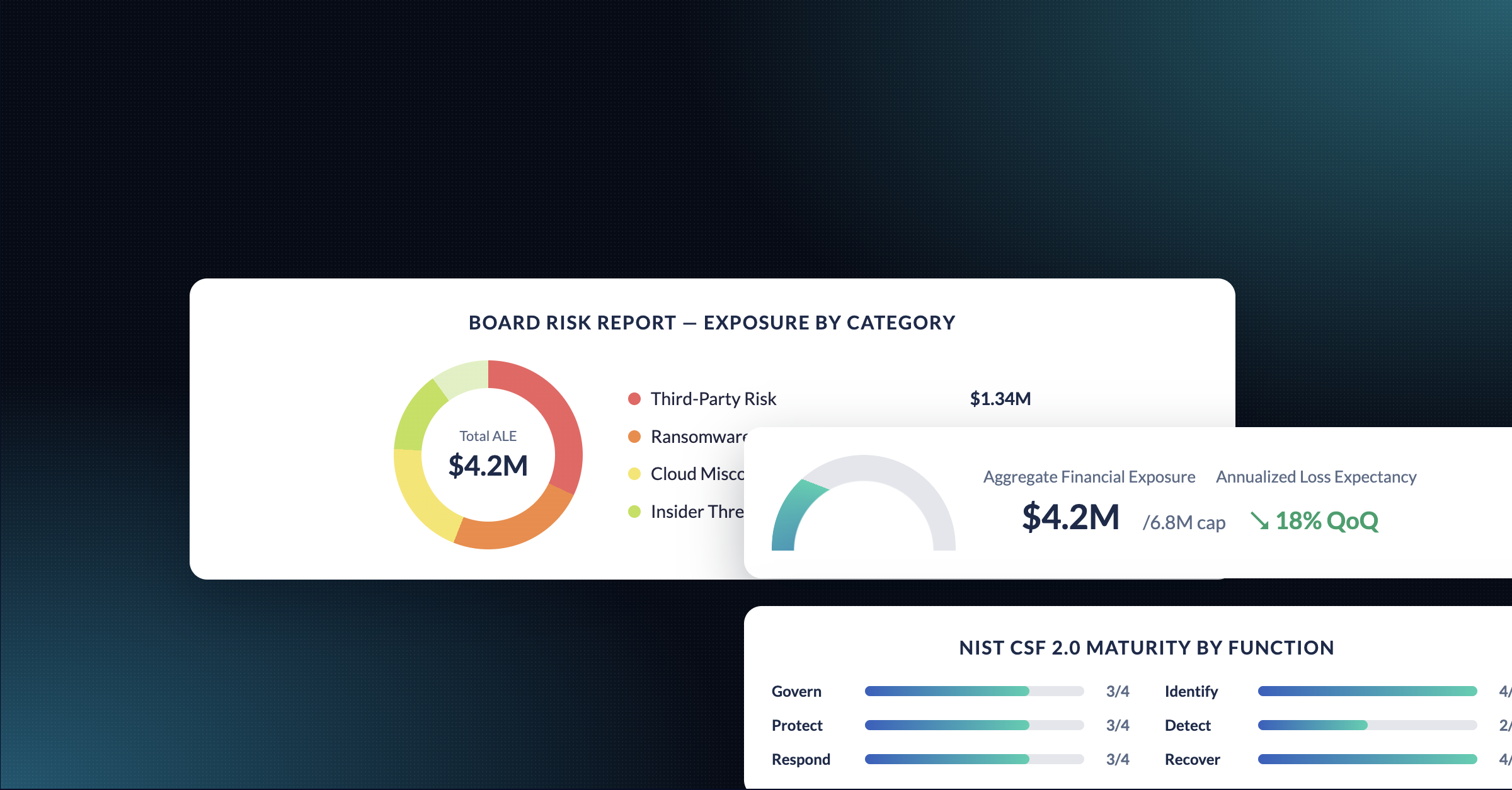
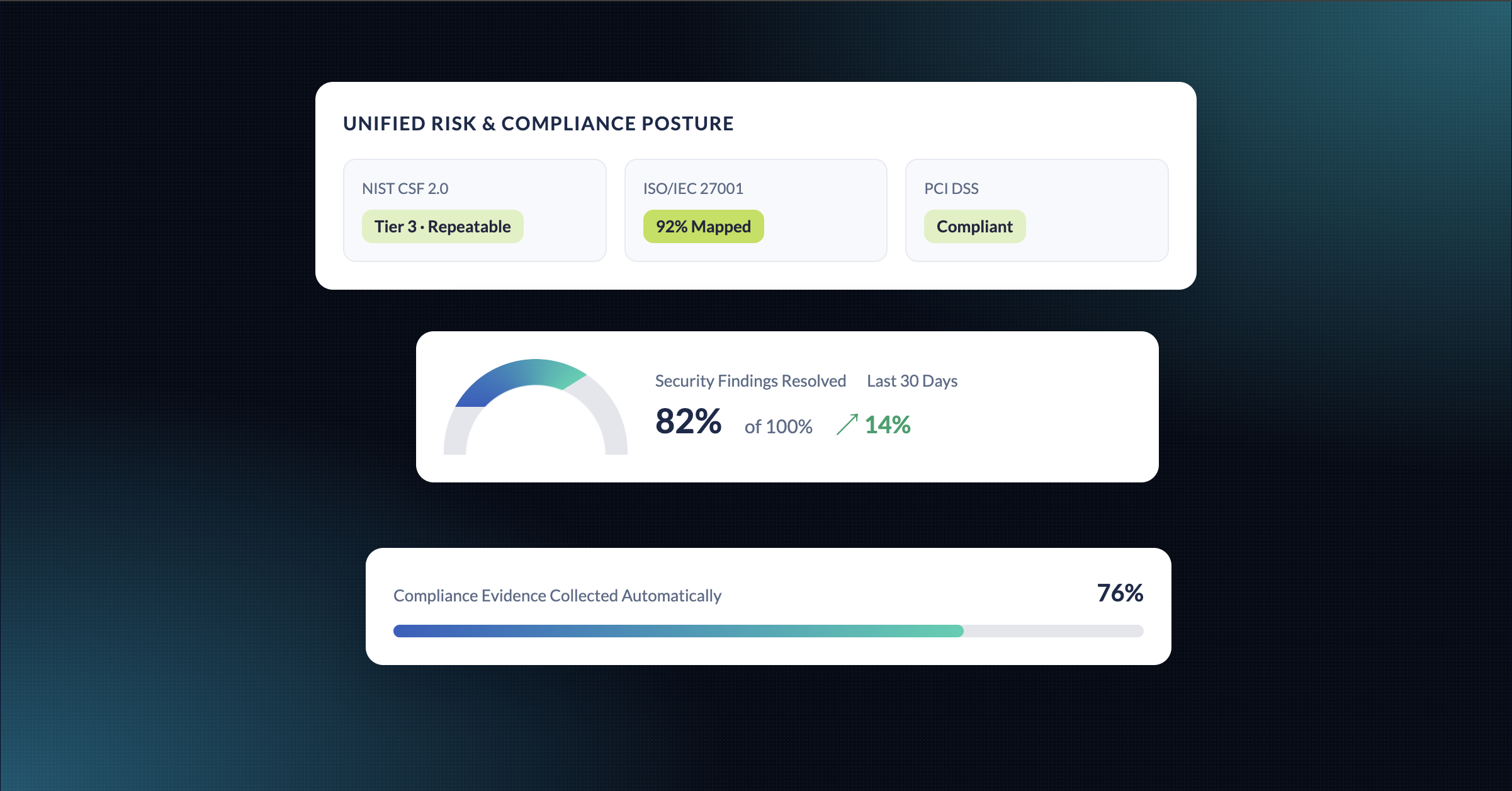
This works because the security work already generates most of what a framework asks for. When controls are continuously mapped to risk posture, remediation is tracked, and exposure is measured across the environment, the evidence is a natural output of that work rather than a separate deliverable. A real-time data and context layer produces roughly 70 to 80 percent of the evidence a given framework requires, automatically and continuously, mapped to controls that are already being tracked.
Frost & Sullivan's analysis of CyberSaint makes the same point from the outside. In recognizing CyberSaint with its 2026 Global Cyber Risk Management Competitive Strategy Leadership Recognition, Vivien Pua, Industry Principal, Security, at Frost & Sullivan, described CyberStrong as "transforming compliance from a periodic obligation into a real-time, decision-driving capability."
Compliance stops being a program you run. It becomes an output you collect.
How to Make Compliance an Output of Cyber Risk Management
Treat cyber risk as the primary objective and compliance as the reporting layer on top of it.
- Map controls to live risk posture, so control status and business impact move together. When a control drifts, you see what it exposes, not just that it failed.
- Tie findings to tickets, so closure is tracked and evidence is generated as work gets done instead of reconstructed later.
- Link compliance activity to risk outcomes. Every control should trace to the risk it reduces. Frost & Sullivan's report notes that in CyberStrong, compliance activities link directly to measurable risk outcomes, making compliance a resilience mechanism rather than a separate cost.
- Run every framework from the same data. SOC 2, ISO 27001, NIST CSF, and CMMC draw on overlapping controls. With one underlying model, a new framework becomes a new report, not a new project.
- Produce reports on demand, continuously, instead of scrambling before each audit.
This is the model CyberStrong is built around. Run the cyber risk program, and compliance evidence follows, across any framework and any region. You don't choose between compliance and security. You manage the risk, and compliance follows.
Frequently Asked Questions
Can you be compliant and still get breached? Yes. Compliance attests that controls were in place at a point in time; it doesn't guarantee they're effective against current threats. Exposure outside a framework's scope, or a control that drifted after the audit, can still lead to an incident.
Does SOC 2 or ISO 27001 make you secure? They demonstrate that a defined set of controls met a standard. That supports security but isn't the same as it: the frameworks measure conformance, not live risk.
What does "compliance as a byproduct" mean? Running a real-time cyber risk program so that most compliance evidence is generated automatically as a downstream output, rather than assembled as a separate workstream before an audit.
How much compliance evidence can be automated? With a real-time risk and context layer, roughly 70 to 80 percent of the evidence a framework requires can be generated automatically and continuously.
Which comes first, compliance or security? Security. When you manage real risk in real time, compliance largely follows. The reverse isn't true: passing an audit doesn't make you secure.