Understanding AI-native vs. Bolt-on AI
AI-native platforms build AI into how the system works: reading relationships across security data, mapping controls, prioritizing risk, and processing questionnaires. Bolt-on AI adds a chat layer or summarization feature to a platform designed before it. The test is whether outputs are accurate, consistent, and explainable enough to use in a regulated environment.
That last part is the real issue. In cyber risk management, an AI output isn't a suggestion someone glances at. It becomes a control mapping an auditor reviews, a risk score a board sees, or an answer sent to a customer's security team. If you can't trust it, it creates work instead of removing it.
What does "AI-native" Mean?
AI-native describes architecture, not a feature list. It means the platform was designed from the start to ingest, connect, and interpret data for AI, rather than adding AI on top of a system built around manual workflows.
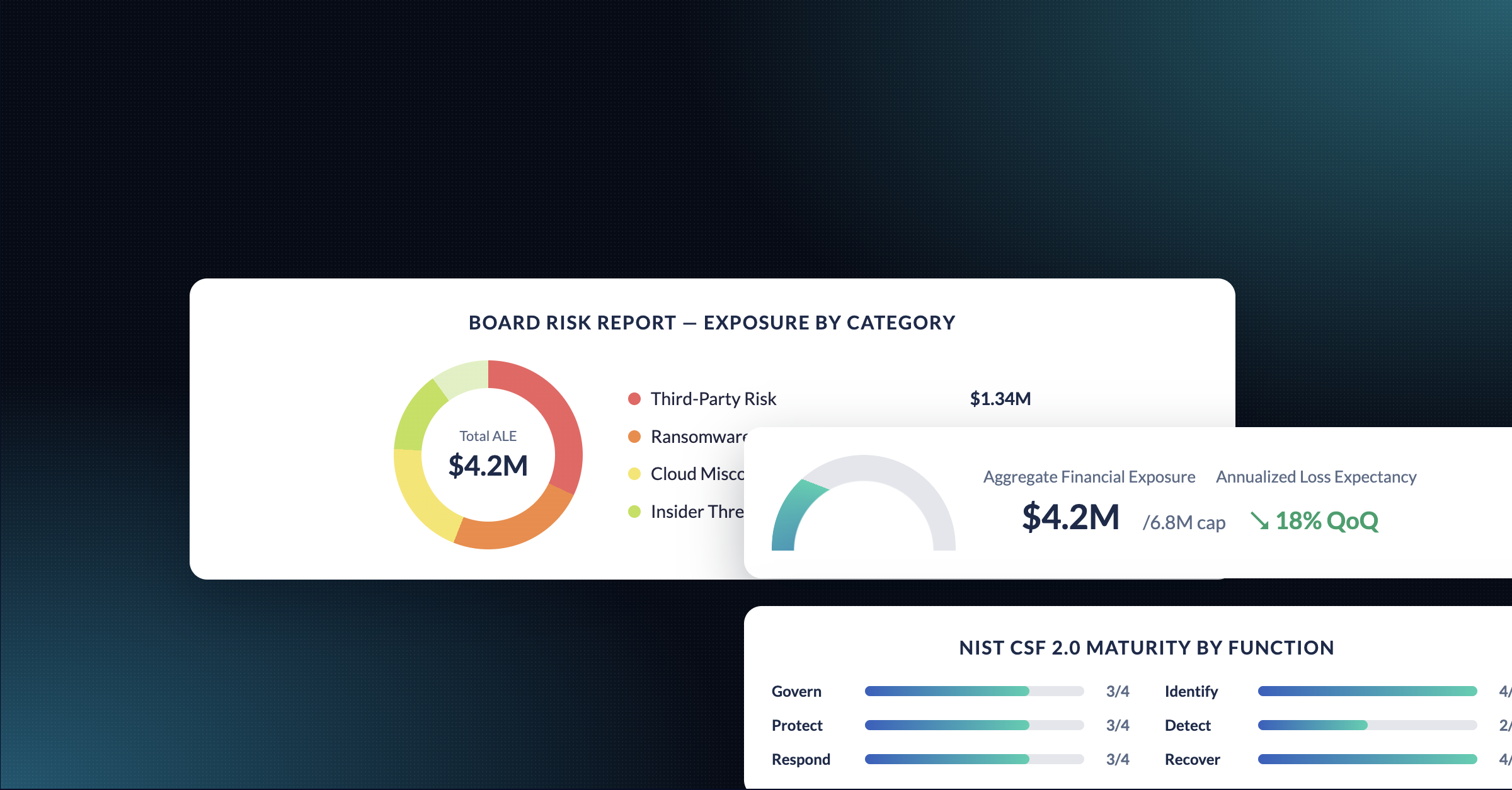
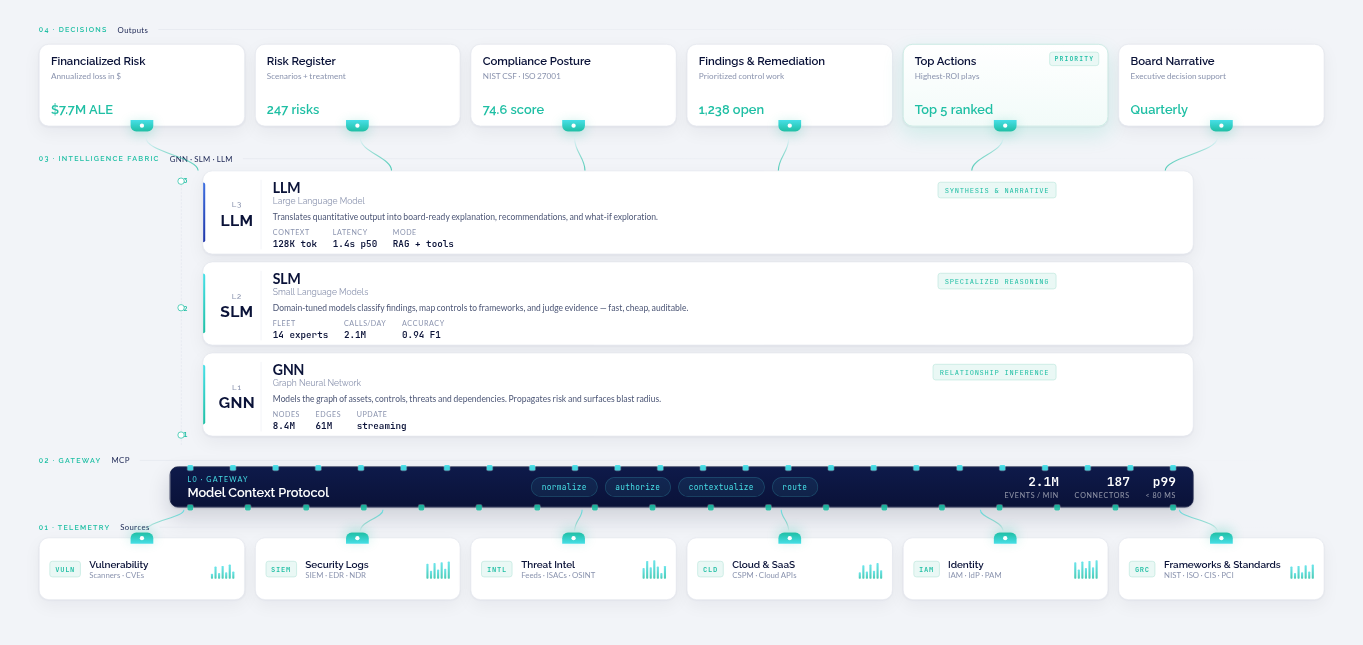
In practice, the difference shows up in where AI sits. In a bolt-on design, AI sits at the surface: you ask a question, and a large language model generates an answer from whatever the platform exposes. In an AI-native design, AI is part of the operational logic. It reads how vulnerabilities relate to assets, how assets relate to business processes, and how those processes relate to financial exposure, and it does that work continuously, whether anyone asks or not.
Evaluating AI-native vs. Bolt-on Solutions
|
Bolt-on AI |
AI-native |
|
|---|---|---|
|
Where AI sits |
A feature on top of the platform |
Inside how the platform processes data |
|
Typical form |
Chat assistant, summaries, drafting |
Control mapping, risk prioritization, questionnaire processing, workflow execution |
|
Models |
One general-purpose model for everything |
Distinct models matched to distinct tasks |
|
Data it works from |
Whatever the interface exposes |
Connected, contextualized data across the environment |
|
Consistency |
Varies with the prompt |
Constrained to defined tasks and data |
|
Explainability |
Hard to trace an answer to its source |
Outputs traceable to inputs and mappings |
Bolt-on AI can make an individual task faster. AI-native architecture changes what the platform can do.
From Assistance to Execution
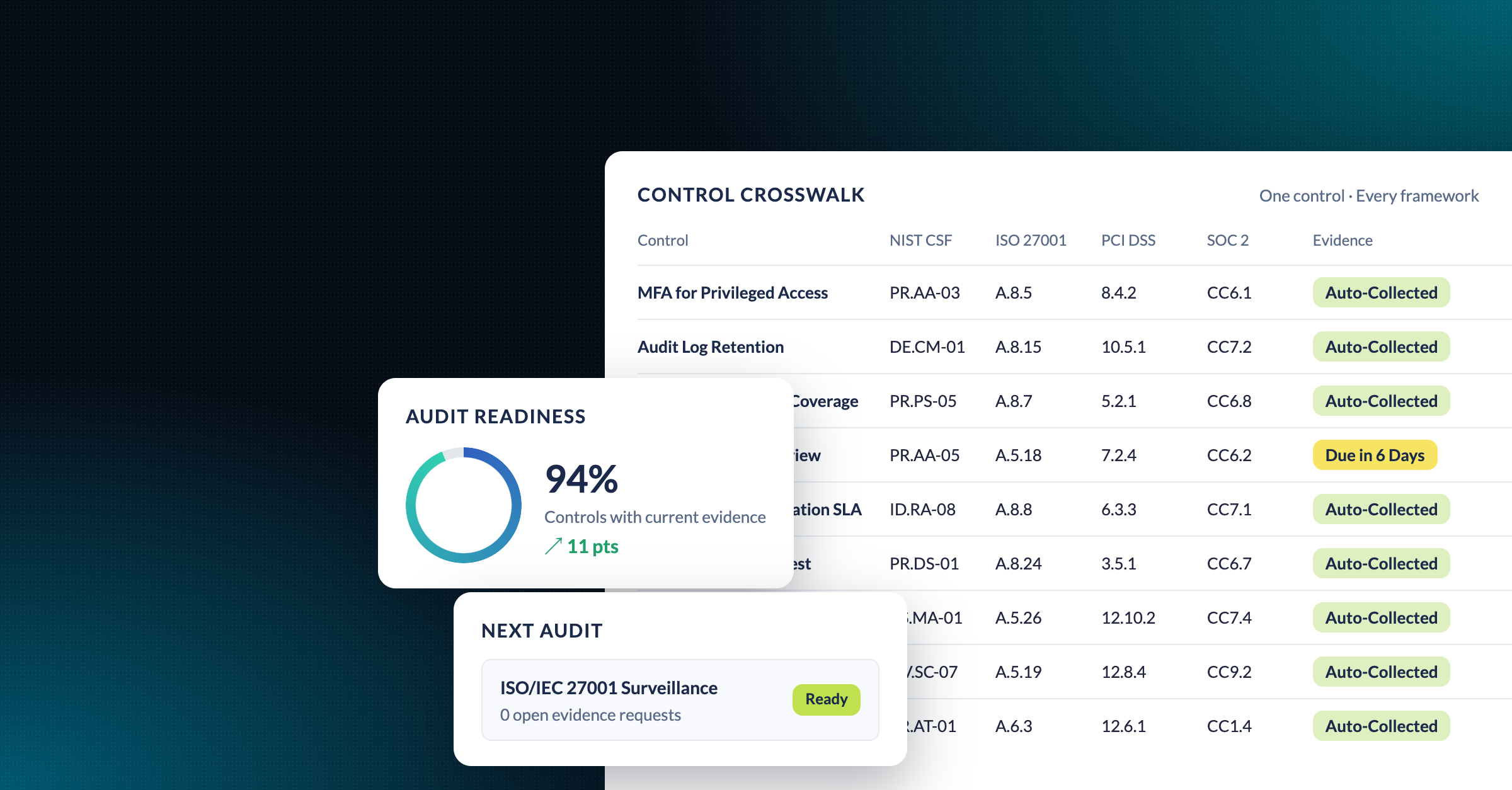
The most visible effect of AI-native design is the move from AI that assists to AI that executes. Assistance drafts a policy summary or suggests a control mapping. Execution completes steps in a workflow: collecting evidence, testing controls, processing a security questionnaire, updating risk posture, and then routing the decision to a person.
That distinction changes the analyst's job. The AI handles the correlation, evidence gathering, and assembly that used to consume the week. The analyst receives a prioritized, context-complete finding with a recommended action and decides whether to proceed. The rapid turnaround enables the analyst to execute faster than before, and with the advent of Frontier AI risks, speed is table stakes.
For years, governance, risk, and compliance teams have had to contend with endless manual tasks that kept them from executing the strategic initiatives they need. Now, they can keep pace; organizations can take a fully proactive stance against cyber threats.
Agentic does not mean autonomous. In CyberStrong, the platform creates the action context (the finding, the business impact, the recommended step), and a human makes the call. Human oversight will always be needed and can not be bypassed.
Why Constrained, Task-specific Models are Effective in Regulated Work
A single general-purpose language model asked to do everything will do some things well and others inconsistently. In regulated work, inconsistency is the failure that matters. The same control should map the same way every time, and a risk ranking should not shift because a question was phrased differently.
AI-native solutions address this by matching models to jobs. CyberStrong uses distinct layers: a cyber risk intelligence fabric built on a graph neural network that reads relationships across security data, LLMs that turn structured intelligence into readable narratives, and small, task-specific models for focused operational work such as control mapping and prioritization.
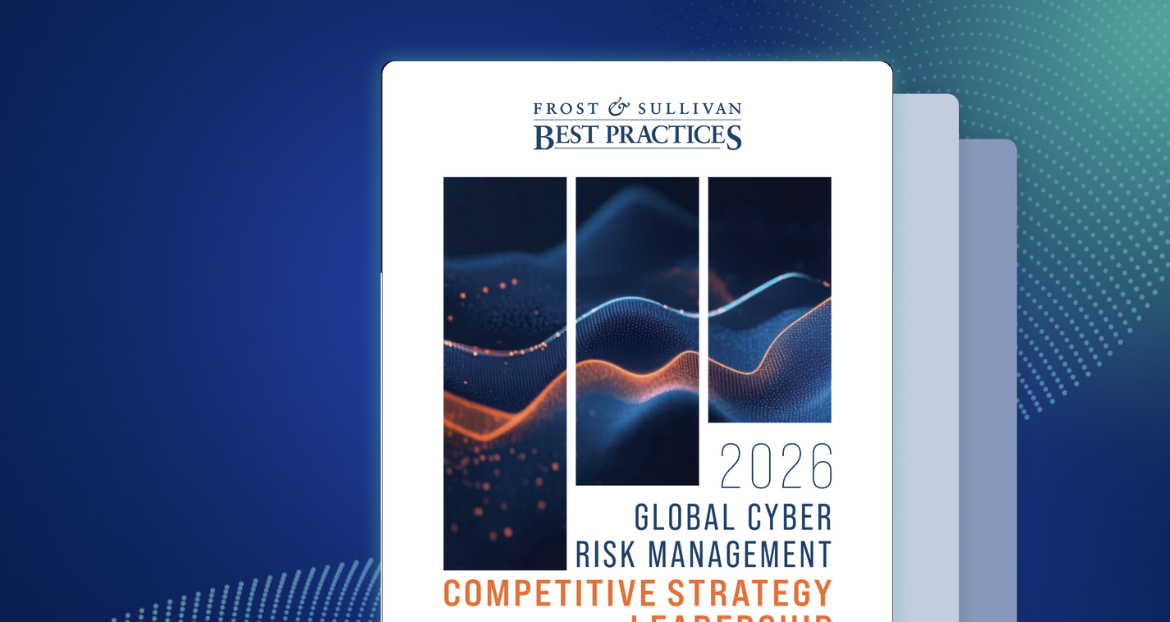
Frost & Sullivan's report on CyberSaint's 2026 Competitive Strategy Leadership Recognition highlights this design choice: "Rather than applying AI superficially, CyberSaint uses task-specific models and constrained data environments to improve accuracy, reduce ambiguity, and strengthen decision reliability in high-stakes enterprise environments."
How to Test a Vendor's AI Claims
Every platform in this category now offers AI solutions. These questions separate architecture from marketing.
- What specific tasks does the AI perform? Look for named workflows such as control mapping, evidence validation, or questionnaire processing, not general claims about insight.
- Which models do which jobs? A vendor with an AI-native design can explain what each layer does and why.
- Is the output consistent? Run the same mapping or prioritization twice. It should come back the same.
- Can you trace an output to its inputs? Ask to see which data, controls, and logic produced a given result.
- Where does the human decide? Agentic workflows should make the approval point explicit.
- What data does the AI work from? AI running on partial or exported data will produce partial answers.
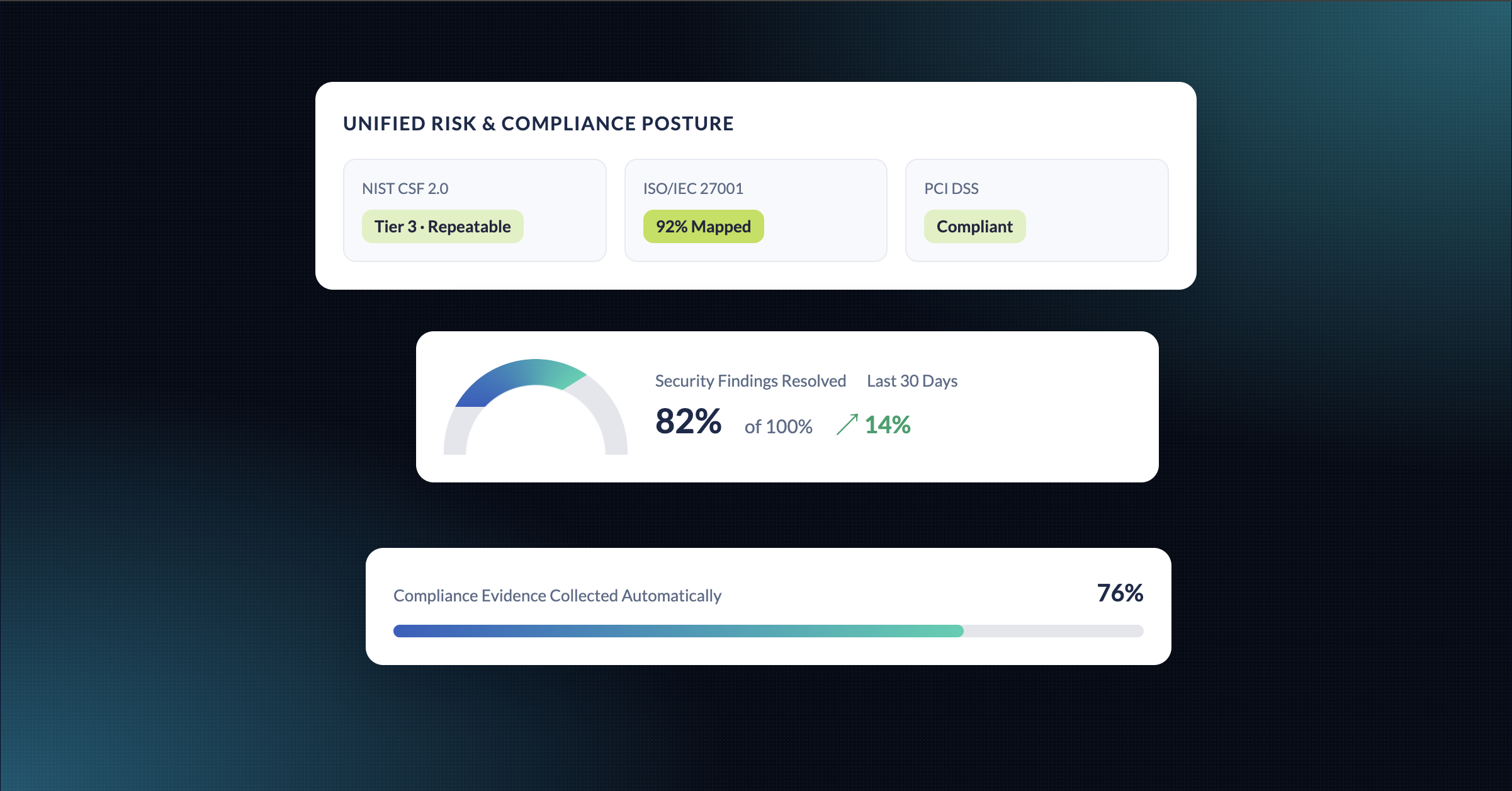
- What did it change operationally? Ask for measurable outcomes: evidence produced automatically, time to complete questionnaires, analyst hours returned.
Frequently asked questions
What is the difference between AI-native and AI-enabled? AI-enabled usually means adding AI features to an existing platform. AI-native means the platform's architecture was designed around AI, so it shapes how data is processed and decisions are produced, not just how users interact with the interface.
Will AI replace compliance and GRC analysts? No. Human oversight and execution cannot be replaced. AI removes manual assembly work and shifts analysts to approving actions, directing strategy, and communicating risk. This helps organizations stay proactive amid frontier risk.
Is agentic AI safe for regulated environments? It can be, as long as you preserve a human decision checkpoint and keep change management in the workflow. Agentic means the AI does the execution work, not that it makes autonomous decisions.
Why do AI compliance pilots stall? Most stall on data quality, not model quality. Agents built on fragmented, low-fidelity data produce output you can't trust. Enhancing the data and context layer first is what makes them work.
What's the difference between an LLM and an AI agent? An LLM generates output. An agent takes actions in a workflow using that output and, in security, routes the decision to a person.