

.png)
.png)
.png)
%201.png)
.png)
The Challenge of Planning a Security Budget in Chaos
Security leaders are planning 2026 budgets amid geopolitical instability, regulatory acceleration, and unpredictable cloud costs. In a decidedly unpredictable world, most organizations cling to linear, predictable budgeting models.
CyberSaint’s interactions with CISOs, security teams, and industry partners reveal one clear truth:
Volatility punishes organizations that cling to outdated assumptions and rewards those willing to rethink how they allocate cyber investment.
Below are four counterintuitive budget trends shaping 2026 spending that most organizations are not planning for, but should be.
Trend 1: Software Sprawl Is Now the #1 Drag on Security Budgets
For years, organizations bought new tools to solve new problems. In 2026, this approach breaks. Across nearly every enterprise security organization we speak with, three patterns are clear:
1. Most teams don’t use half the features they pay for.
Platform overlap between GRC, SIEM, IR, TPRM, and “automation” vendors is enormous.
Organizations should focus on consolidating their security tools and leveraging automation to streamline processes. This will not only save money but also improve efficiency and effectiveness.
2. Point tools create indirect costs no one budgets for.
Duplicate assessments, multiple data schemas, redundant evidence storage, inconsistent reporting, and fragmented workflows are common issues. These hidden costs can quickly add up and strain budgets.
The security industry needs to shift its focus from selling more tools to prioritizing integration and interoperability.
With the rise of complex threats and ever-evolving technology, organizations need a cohesive security approach. This means their various tools and systems must work seamlessly, sharing information and streamlining processes.
3. Tool sprawl delays risk reduction.
Buying another control tool does nothing if the organization still can’t map controls, quantify risk, or measure performance across frameworks. This leads to gaps in coverage and a false sense of security. Instead, organizations should invest in tools that integrate with their existing systems and provide a holistic view of risk.
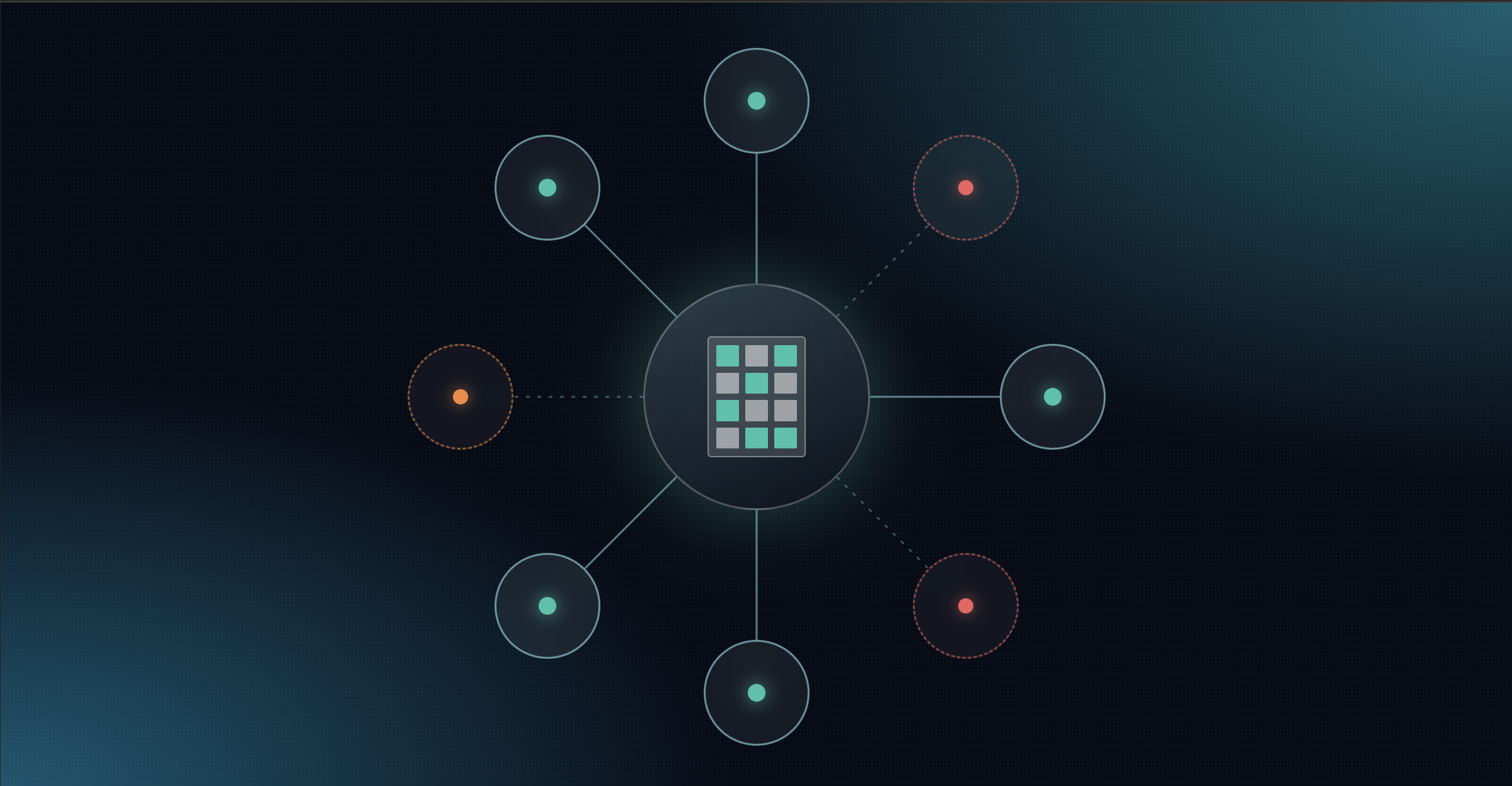
When different security tools are not integrated, it becomes difficult for teams to have a clear picture of the entire environment.
Many industries have strict regulatory requirements that must be met for compliance purposes. Without proper integration among security tools, it becomes challenging to map controls and track compliance across all.
Why it matters for 2026:
Budgets are shifting away from tool accumulation toward consolidated platforms that deliver visibility, automation, and quantification in a single system.
CyberSaint POV:
In 2026, the fastest-growing budget category will not be “more tools” — it will be platform consolidation that eliminates them.
Trend 2: On-Prem Isn’t Dying, It’s Stabilizing
The industry narrative says the cloud will absorb all security investment. But the reality is more nuanced.
Here’s what CyberSaint sees across enterprises:
1. Hybrid is now the default security architecture.
Organizations keep critical assets, regulated workloads, and sensitive data on-prem or repatriate from cloud environments.
2. Cloud costs are creating unexpected budget pressure.
Egress fees, monitoring costs, and platform licensing have ballooned.
3. Security leaders want more predictable spend.
Cloud pricing variability makes multi-year security planning harder, not easier.
Why this trend matters:
Security teams need tools that work equally well across hybrid infrastructures, not tools optimized for either the cloud or on-prem.
CyberSaint POV:
2026 budgets will favor platforms that unify risk and controls across on-prem, cloud, SaaS, and hybrid environments, because security posture must be consistent everywhere.

Trend 3: Integrated Platforms Replacing Standalone Tools
A shift is happening that many teams underestimate: point solutions are losing ground to unified platforms. Organizations are moving away from single-function tools in areas like policy management, third-party risk ratings, control mapping tools, evidence capture systems, standalone CRQ calculators, and one-off cloud posture tools.
1. AI automation now replaces entire categories of manual tools.
CyberSaint’s control mapping, evidence collection, and assessment automation make multiple legacy tools unnecessary. Automation is also the key to building, testing, and maintaining hundreds of control combinations.
2. Executives want fewer dashboards, not more.
Every extra interface introduces friction, training costs, and inconsistent views. Having one platform for all compliance and risk activities streamlines operations and reporting.
Integrating data from different tools can be a challenge, leading to gaps in visibility and potential for errors. Unified platforms reduce these risks by providing a centralized database for all compliance and risk information.
3. Security teams need one source of truth to measure risk.
A single, unified platform provides a centralized location for all risk management information. This eliminates the need for multiple systems and ensures that all data is consistent and up-to-date.
Having all security data in one place allows for better communication between different teams, such as IT, compliance, and risk management. This improves efficiency and reduces silos within the organization.
CyberSaint POV:
Integrated platforms will replace standalone tools, not because they are cheaper, but because they deliver continuous, correlated, and contextualized visibility that siloed tools can’t.
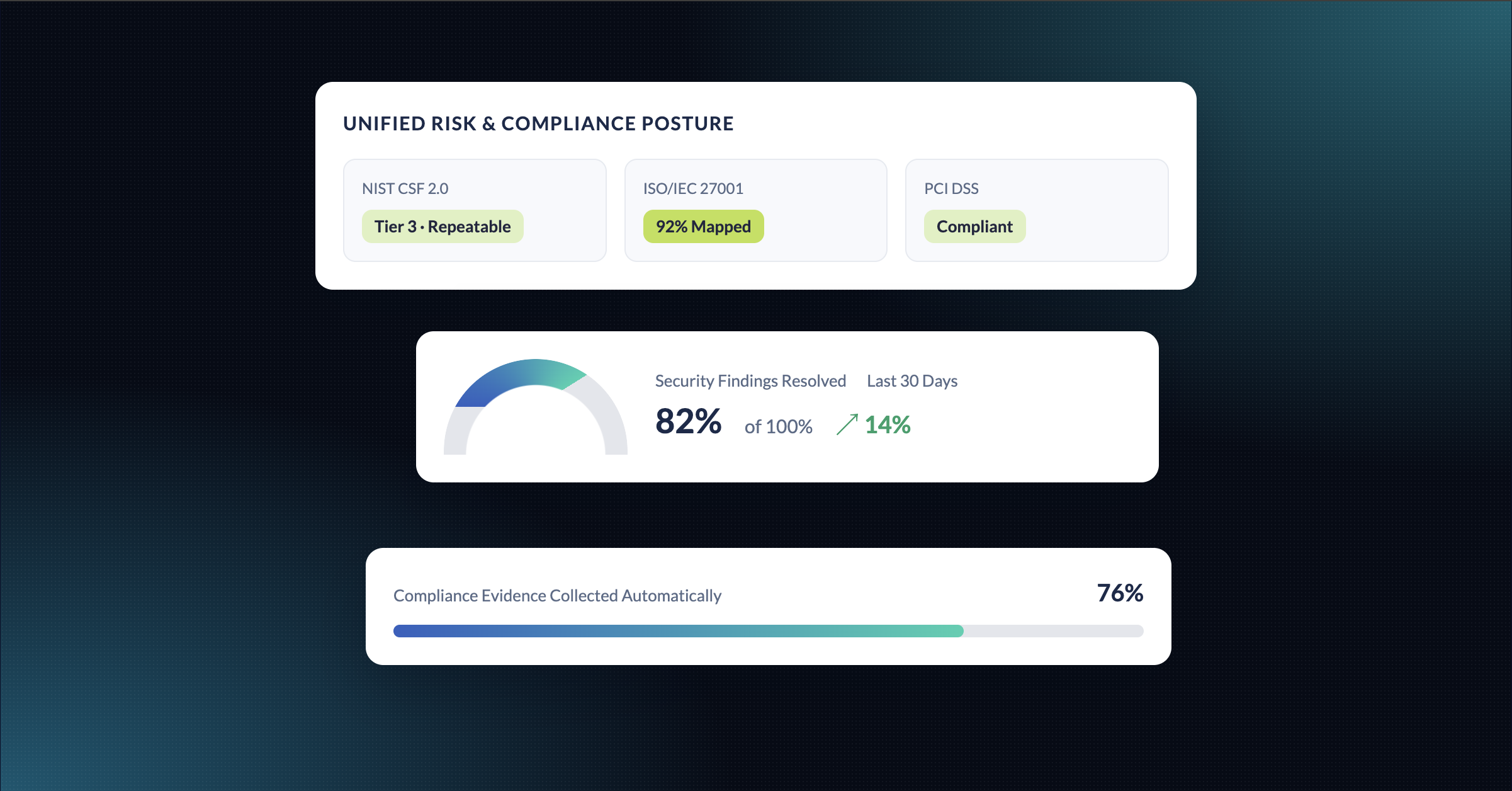
Trend 4: Compliance Automation and Risk Quantification Are Becoming Budget-Line Items
For years, CRQ and continuous controls monitoring (CCM) were “nice-to-have” or limited to advanced teams.
In 2026, that changes for three reasons:
1. Boards now expect financial risk clarity.
CISOs need to answer:
"What is our current risk exposure in dollars?"
"What investment most reduces our financial risk?"
2. Regulators are moving toward continuous assurance models.
Annual point-in-time assessments aren’t defensible anymore. Regulators want to see ongoing evidence of compliance and risk controls.
3. Organizations want defensible budget decisions.
CRQ and continuous controls provide leaders with the data they need to justify their spending. No longer can the security team be seen as a cost center, but rather as a strategic investment in reducing financial risk.
Why this matters:
Security budgets are shifting toward:
- Model-agnostic CRQ embedded in workflows
- Continuous control monitoring
- Real-time reporting to executives and regulators
- Cyber risk lifecycle integration (assess → quantify → remediate → monitor)
CyberSaint POV:
2026 budgets aren’t growing; they’re getting smarter.
Organizations are reallocating toward solutions that prove risk reduction, not just promise it.

Plan for Reality, Not Narratives
The organizations poised to succeed in 2026 won’t necessarily be those with the largest budgets, but rather those with the greatest clarity, interconnected data, and continuous visibility. Yet, many organizations still cling to outdated assumptions that now pose significant budgeting and operational risks. Common misconceptions include the belief that adding more tools automatically improves security, that cloud adoption eliminates the need for other infrastructure, or that siloed point solutions can keep up with today’s evolving challenges.
Additionally, some view CRQ as optional, rely on annual control validation as sufficient, or allow compliance and risk management to operate in isolation. In today’s fast-changing landscape, these traditional approaches no longer hold up. A fundamental shift in strategy is essential to adapt and thrive in the years ahead.
CyberSaint’s 2026 recommendation:
Build a budget around platforms that unify your cyber risk lifecycle, from control automation to financialized cyber risk data to continuous assurance, and eliminate the operational drag of tool sprawl.
Because in a volatile environment, the only unfair advantage is clarity.